
- This topic is empty.
-
AuthorPosts
-
2026-11-26 at 11:58 am #10205
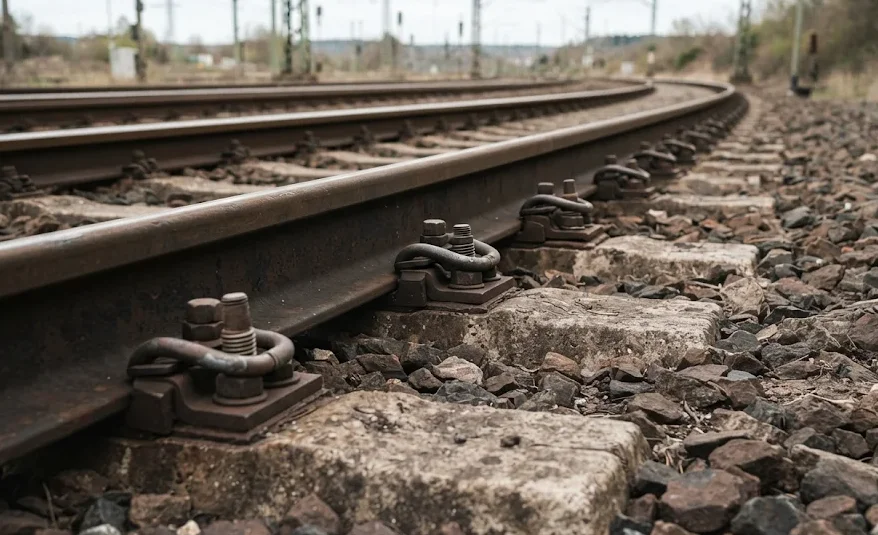
Railway and industrial track systems rely on properly designed fastening components to maintain alignment, withstand mechanical stress, and ensure safe operation. Whether used in conventional railway lines, crane rail installations, port terminals, or heavy industrial facilities, rail clamps play an important role in securing rails and maintaining the stability of the overall track structure.
However, not all rail clamps are suitable for every application. Differences in rail profiles, loading conditions, installation structures, and environmental exposure can significantly influence product selection. For contractors and purchasing professionals, finding dependable rail clamps suppliers means identifying manufacturers that can deliver compatible products, consistent material quality, and solutions tailored to specific project requirements.
1. Understand Application Requirements Before Selecting Rail Clamps
One of the main challenges in fastening component procurement is choosing products based on appearance rather than actual engineering requirements. Although some rail clamps may look similar, their structural designs, connection methods, and installation dimensions can differ considerably.
For example, crane rail installations often require adjustable crane rail clamps to accommodate rail positioning and alignment during installation. Meanwhile, KPO rail clamps, including KPO3, KPO6, and KPO9 configurations, are designed for corresponding fastening arrangements and must work with compatible tie plates, bolts, and washers.
Selecting unsuitable components can result in inaccurate installation, additional modification work, and unnecessary project expenses.
Before confirming an order, buyers should check the rail profile, clamp dimensions, bolt specifications, mounting-hole positions, and compatibility with supporting fastening components. Reviewing engineering drawings and physical samples with the manufacturer can also help identify potential problems before production begins.
2. Choose Suitable Materials for Different Load Conditions
Material selection directly affects the mechanical performance and service life of rail clamps. Components used in railway and crane rail applications may experience repeated impact, vibration, and sustained mechanical loads. Inadequate material properties can compromise fastening reliability over time.
Depending on structural requirements and application conditions, rail clamps may be manufactured using different materials.
HuiBo Railway offers material options including Q235, Q345, ZG35 cast steel, and QT500-7 ductile iron. Each material has different mechanical characteristics and processing requirements, making it important to select according to the engineering drawings and specified operating conditions.
Manufacturing methods should also be considered. Forging and casting are commonly used in rail clamp production, with the appropriate process depending on component geometry, mechanical requirements, and production specifications.
When evaluating rail clamp manufacturers, buyers should request relevant material certificates and inspection documentation to verify that the supplied products meet the required standards.
3. Consider Surface Protection and Installation Compatibility
Rail fastening hardware frequently operates outdoors or in demanding industrial environments. Port terminals, coastal facilities, and exposed railway lines may experience high humidity, moisture, and corrosive substances.
Without appropriate surface protection, corrosion can gradually affect component integrity and increase maintenance requirements.
Depending on the application, rail clamps can be supplied with hot-dip galvanizing, zinc plating, or other specified protective coatings. Buyers should communicate the operating environment and required corrosion protection level before manufacturing.
Another important consideration is compatibility between fastening components. Rail clamps must be properly matched with bolts, nuts, washers, and base plates to ensure correct installation.
For projects requiring multiple hardware components, working with a professional railway fastener supplier capable of supplying related products can simplify procurement and reduce coordination difficulties.
4. What Should Buyers Expect from Professional Rail Clamps Suppliers?
Choosing a supplier involves more than comparing product quotations. For international infrastructure projects, manufacturing capability, technical communication, and delivery consistency can all influence procurement efficiency.
The following factors deserve attention:
Customization capability: Can the supplier manufacture non-standard rail clamps according to customer drawings, samples, or specific dimensional requirements?
Material verification: Are material certificates and relevant inspection records available for product evaluation?
Production consistency: Does the manufacturer maintain dimensional inspections and quality checks throughout the manufacturing process?
Product diversity: Can the supplier provide different rail clamp designs alongside bolts, spikes, tie plates, and other fastening accessories?
Order coordination: Can technical specifications, production schedules, packaging details, and delivery arrangements be clearly confirmed?
Evaluating these factors helps buyers identify suitable manufacturing partners and reduce the risks associated with large-volume procurement.
5. HuiBo Railway: Customized Fastening Components for Different Applications
For buyers seeking a manufacturer with experience in railway fastening hardware, HuiBo Railway provides a range of products for different track structures and industrial applications.
Its product portfolio includes crane rail clamps, KPO rail clamps, clamp plates, rail clips, screw spikes, track bolts, tie plates, and other related fastening components.
The company offers rail clamp options in Q235, Q345, ZG35 cast steel, and QT500-7 ductile iron, allowing customers to discuss suitable material choices according to project specifications.
For applications involving non-standard dimensions or specific structural requirements, HuiBo Railway also supports customized production based on customer drawings and physical samples. Buyers can confirm material grades, product dimensions, manufacturing processes, and surface treatments before production.
Established in 2006, HuiBo Railway has developed manufacturing experience in railway fastening products. Its range of related hardware components also provides procurement flexibility for customers who need multiple types of fastening products for the same project.
Conclusion
Selecting suitable rail clamps requires careful consideration of application conditions, material properties, corrosion protection, and component compatibility. For railway contractors, crane rail installers, and industrial project buyers, working with experienced rail clamps suppliers can help reduce installation difficulties and improve the reliability of fastening assemblies.
With various clamp designs, multiple material options, and customized manufacturing support, HuiBo Railway provides fastening solutions for different track requirements.
Whether sourcing crane rail clamps, KPO rail clamps, or related fastening hardware, buyers can contact HuiBo Railway with their technical drawings and project specifications to discuss suitable manufacturing solutions.
http://www.hbrailwayfastening.com
Suzhou HuiBo Railway Fastener Co.,Ltd. -
AuthorPosts

- You must be logged in to reply to this topic.


