
- This topic is empty.
-
AuthorPosts
-
2026-04-20 at 3:41 pm #8327
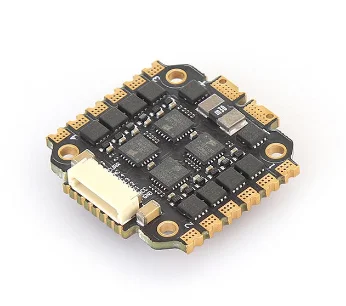
Electronic Speed Controllers (ESCs) are one of the most critical components in modern electric systems, especially in applications like drones, FPV racing, RC cars, electric bikes, and robotics. The ESC acts as the “brain” between the battery and the motor, regulating power delivery, controlling speed, and ensuring smooth performance.
However, despite their importance, ESCs are also one of the most failure-prone components in an electronic power system. When an ESC fails, the entire system can become unstable or completely unusable.
In this article, we will explore the most common ESC failures, why they happen, how to diagnose them, and practical solutions to fix or prevent them. Whether you are a beginner or an experienced builder, understanding these issues will help you extend the life of your system and avoid costly damage.
1. No Response from the Motor (Complete ESC Failure)
Symptoms
One of the most obvious ESC failures is when the motor does not respond at all. You apply throttle, but nothing happens—no movement, no sound, no vibration.
Possible Causes
-
Burned MOSFETs inside the ESC
-
Broken power trace or solder joint
-
Firmware corruption or failed update
-
No signal from the receiver or flight controller
-
Battery not delivering correct voltage
How to Fix It
First, check the basics:
-
Ensure the battery is fully charged and properly connected
-
Verify signal connection between ESC and controller
-
Test ESC with another motor
If there is still no response:
-
Inspect the ESC for visible burn marks
-
Smell for burnt electronics (a burnt smell often indicates MOSFET damage)
-
Reflash firmware if the ESC supports BLHeli or similar systems
If MOSFETs are damaged, repair is usually not cost-effective. Replacing the ESC is often the best solution.
2. ESC Overheating
Symptoms
-
ESC becomes extremely hot after short use
-
Thermal shutdown occurs
-
Reduced performance or throttle limiting
Possible Causes
-
Oversized load (motor too powerful for ESC rating)
-
Poor airflow or cooling design
-
High PWM frequency settings
-
Continuous operation at high throttle
-
Incorrect propeller or gear ratio causing overload
How to Fix It
To reduce overheating:
-
Match ESC current rating properly (leave 20–30% safety margin)
-
Improve airflow using heatsinks or cooling fans
-
Reduce PWM frequency if adjustable
-
Optimize propeller size or gear ratio
-
Avoid running at full throttle for extended periods
Overheating is one of the leading causes of ESC failure, and repeated thermal stress will shorten lifespan significantly.
3. Intermittent Motor Throttle or Jerky Operation
Symptoms
-
Motor stutters or jerks during acceleration
-
Unstable throttle response
-
Random power loss during operation
Possible Causes
-
Poor signal connection or interference
-
Damaged motor windings
-
ESC desynchronization with motor
-
Low-quality solder joints
-
Incorrect timing settings
How to Fix It
-
Re-solder all ESC and motor connections
-
Check signal wires for damage or loose pins
-
Recalibrate throttle range
-
Adjust motor timing settings in ESC firmware
-
Replace motor if windings are damaged
In FPV drones, this issue is often caused by desync between ESC and motor, especially under high load conditions.
4. ESC Beeping Continuously (Startup Failure)
Symptoms
-
ESC emits continuous beeping sounds
-
Motor does not arm
-
System fails to initialize properly
Possible Causes
-
No throttle signal detected
-
Calibration mismatch
-
Receiver not bound properly
-
ESC firmware mismatch
-
Voltage too low or too high
How to Fix It
-
Recalibrate throttle endpoints
-
Rebind receiver to transmitter
-
Check signal wire integrity
-
Verify battery voltage compatibility
-
Reset or reflash ESC firmware
Continuous beeping is actually a helpful diagnostic tool—it usually indicates that the ESC is healthy but cannot complete initialization due to missing or incorrect input signals.
5. Sudden Power Loss During Operation
Symptoms
-
System powers off unexpectedly
-
ESC shuts down mid-operation
-
Intermittent restarting
Possible Causes
-
Battery voltage sag
-
Overcurrent protection triggering
-
Loose power connectors
-
ESC thermal protection activation
-
Faulty power distribution board
How to Fix It
-
Use a higher C-rating battery
-
Check and tighten all power connectors
-
Reduce load on motor system
-
Improve ESC cooling
-
Inspect wiring for voltage drops
Power loss issues are often mistaken for ESC failure, but in many cases, the root cause is battery or wiring-related.
6. Burnt ESC (MOSFET Failure)
Symptoms
-
Smoke or burning smell
-
Visible burn marks on PCB
-
ESC completely dead
Possible Causes
-
Excessive current draw
-
Short circuit in motor wiring
-
Wrong battery voltage (overvoltage)
-
Water or moisture damage
-
Poor ESC quality or counterfeit components
How to Fix It
Unfortunately, a burnt ESC is usually beyond repair. MOSFET replacement requires advanced soldering skills and precise component matching.
Prevention Tips
-
Always use ESCs rated above your maximum expected current
-
Avoid water exposure unless ESC is waterproof
-
Ensure correct polarity during installation
-
Use high-quality branded ESCs
7. Signal Loss or Communication Failure
Symptoms
-
ESC does not respond to throttle input
-
Intermittent control loss
-
Delayed motor response
Possible Causes
-
Damaged signal wire
-
Loose connector
-
EMI (electromagnetic interference)
-
Faulty flight controller output
-
Incorrect protocol settings (PWM, DShot, etc.)
How to Fix It
-
Replace or secure signal wires
-
Switch to twisted or shielded cables
-
Ensure correct ESC protocol configuration
-
Move signal wires away from high-power lines
-
Test with another flight controller or receiver
Modern ESCs using digital protocols like DShot are less prone to interference, but wiring quality still matters significantly.
8. ESC Desync in High-Speed Applications
Symptoms
-
Sudden motor stop during high throttle
-
Audible “cogging” or skipping
-
Crash in drones or RC systems
Possible Causes
-
Poor ESC firmware tuning
-
Inadequate timing settings
-
Motor-ESC incompatibility
-
High load spikes beyond ESC capability
How to Fix It
-
Increase ESC timing (medium or high settings)
-
Use modern firmware like BLHeli_32 or Bluejay
-
Reduce propeller size or load
-
Ensure proper motor-ESC pairing
-
Upgrade to higher-quality ESCs
Desync is especially common in FPV racing drones where rapid throttle changes are frequent.
9. Water or Moisture Damage
Symptoms
-
Random ESC failure after rain or crash
-
Corrosion on PCB
-
Unstable operation
Possible Causes
-
Exposure to water without protection
-
Condensation inside ESC housing
-
Saltwater exposure (highly corrosive)
How to Fix It
-
Dry immediately using isopropyl alcohol
-
Clean corrosion carefully with a soft brush
-
Allow full drying before reuse
-
Apply conformal coating for protection
Prevention is far more effective than repair here—once corrosion starts, long-term reliability is compromised.
10. Firmware or Configuration Issues
Symptoms
-
ESC behaves unpredictably
-
Incorrect motor direction
-
Inconsistent performance
Possible Causes
-
Incorrect firmware version
-
Improper ESC calibration
-
Wrong protocol selection
-
Corrupted firmware update
How to Fix It
-
Reflash ESC firmware using official tools
-
Reset to factory settings
-
Recalibrate throttle range
-
Verify protocol compatibility (PWM vs DShot, etc.)
Firmware issues are increasingly common in modern digital ESC systems, but they are also among the easiest to fix.
Preventing ESC Failures: Best Practices
Preventing ESC failure is always better than repairing it. Here are key best practices:
1. Choose the Right ESC Rating
Always select an ESC with at least 20–30% more current capacity than your maximum expected load.
2. Ensure Proper Cooling
Heat is the number one enemy of ESCs. Use airflow, heatsinks, or active cooling when necessary.
3. Use High-Quality Components
Cheap ESCs often use lower-grade MOSFETs that fail under stress.
4. Avoid Electrical Noise
Keep signal wires separated from power cables to reduce interference.
5. Perform Regular Maintenance
Inspect solder joints, connectors, and wiring before each use.
Conclusion
ESC failures are common in electric systems, but most of them are preventable with proper design, installation, and maintenance. Understanding the symptoms—such as overheating, desync, signal loss, or complete motor failure—allows you to diagnose issues quickly and take corrective action.
Whether you're working with drones, RC vehicles, or industrial motor systems, the key to ESC reliability is always the same: correct sizing, proper cooling, high-quality components, and careful configuration.
By applying the troubleshooting methods in this guide, you can significantly extend the lifespan of your ESC and improve the stability and performance of your entire system.
http://www.pega-fly.com
pega-fly -
-
AuthorPosts

- You must be logged in to reply to this topic.


