
- This topic is empty.
-
AuthorPosts
-
2026-11-09 at 1:55 pm #10008
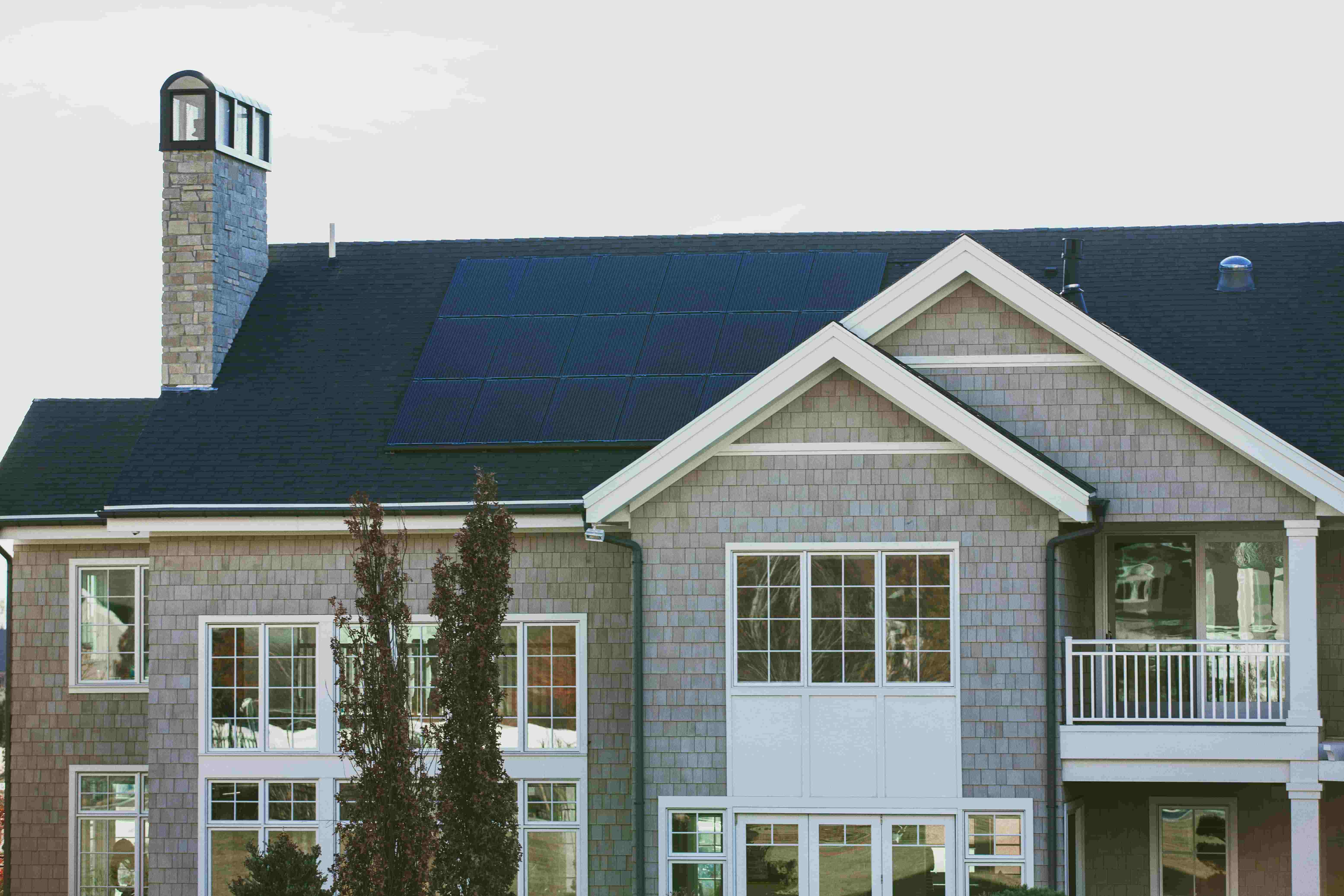
Commercial rooftop solar installations have become an increasingly attractive investment for businesses looking to reduce electricity expenses, improve energy efficiency, and make better use of available building space. Factories, warehouses, logistics centers, shopping malls, and office buildings often have large roof areas that can accommodate photovoltaic systems and generate electricity for daily operations.
However, selecting the right solar modules for a commercial rooftop project requires more than comparing rated power or purchasing costs. Businesses need to consider conversion efficiency, roof loading capacity, temperature performance, durability, installation conditions, and long-term electricity generation.
Among the available photovoltaic solutions, Jinko Mono Solar panels have attracted attention from commercial solar developers, distributors, and installation contractors. Manufactured using monocrystalline silicon technology, these modules are designed to convert sunlight into electricity efficiently while supporting different system configurations.
But are Jinko Mono Solar panels suitable for commercial rooftop installations? What advantages can they offer, and what factors should businesses evaluate before purchasing them?
This article explores the key performance characteristics, practical benefits, installation considerations, and selection criteria to help commercial buyers determine whether monocrystalline solar panels are suitable for their rooftop projects.
1. What Are Jinko Mono Solar Panels?
Jinko Mono Solar panels are photovoltaic modules manufactured using monocrystalline silicon solar cells. Unlike polycrystalline technology, which consists of multiple silicon crystal structures, monocrystalline cells are produced from single-crystal silicon wafers.
This manufacturing approach provides a more uniform crystal structure, supporting efficient electron movement and reducing certain electrical losses during the photovoltaic conversion process.
Monocrystalline solar technology has become widely adopted in residential, commercial, and utility-scale photovoltaic installations because of its relatively high conversion efficiency and established manufacturing processes.
Depending on the product generation and module configuration, Jinko Mono Solar panels may incorporate advanced cell technologies such as PERC, TOPCon, and other high-efficiency designs.
These technologies are developed to improve light absorption, reduce carrier recombination, and enhance overall module performance.
For commercial rooftop applications, several characteristics are particularly important:
-
High conversion efficiency to maximize electricity generation from limited roof space.
-
Reliable electrical performance under different environmental conditions.
-
Durable module construction for long-term outdoor operation.
-
Multiple power ratings and module configurations for different system capacities.
-
Compatibility with common commercial photovoltaic system designs.
It is important to recognize that not all monocrystalline modules have identical specifications. Buyers should evaluate the exact Jinko module series and technical datasheet rather than relying solely on the general term "monocrystalline solar panels."
2. Why Are Monocrystalline Solar Panels Suitable for Commercial Rooftops?
Commercial buildings often have extensive roof areas, but the usable installation space may be restricted by ventilation equipment, skylights, drainage systems, maintenance walkways, and structural limitations.
In these situations, selecting efficient solar modules can significantly influence the total installed capacity.
Higher Power Generation per Unit of Roof Space
One of the main advantages of monocrystalline solar technology is its relatively high conversion efficiency.
Higher-efficiency solar modules can generate more electricity from a given surface area, making them suitable for commercial buildings where maximizing rooftop utilization is important.
For example, a manufacturing facility may have a large roof but only a limited portion available for photovoltaic installation because of existing equipment and safety access requirements.
Using high-efficiency Jinko Mono Solar panels can help developers install more generating capacity within the usable area, depending on module dimensions and rated power.
This is particularly beneficial for:
-
Manufacturing facilities with continuous electricity demand.
-
Warehouses with large but partially obstructed rooftops.
-
Commercial office buildings with limited available roof space.
-
Distribution centers requiring significant daytime electricity.
-
Industrial facilities seeking to reduce grid electricity consumption.
Suitable for Different Commercial System Sizes
Commercial rooftop solar systems vary considerably in capacity.
A small commercial building may require a relatively modest photovoltaic installation, while a large industrial facility may need a system covering thousands of square meters.
Jinko Mono Solar panels are available across different product configurations and power classes, allowing system designers to select modules according to project requirements.
Their application flexibility makes monocrystalline modules suitable for a wide range of commercial rooftop projects.
3. Energy Generation Performance in Commercial Applications
For commercial buyers, the most important question is not simply how much power a solar panel can generate under laboratory conditions. What matters is how much electricity the complete rooftop system can produce throughout the year.
Actual energy generation depends on several factors, including solar irradiation, module orientation, installation angle, temperature, shading, inverter efficiency, and system maintenance.
High Conversion Efficiency Supports Greater Energy Output
The conversion efficiency of a solar module determines how effectively it transforms incoming sunlight into electricity.
Modern monocrystalline solar modules generally offer higher efficiency than many older photovoltaic technologies.
Depending on the selected product series, Jinko Mono Solar panels can provide high power output within a relatively compact module footprint.
For commercial rooftop projects, this can improve installed capacity without requiring a proportional increase in available roof space.
Higher installed capacity can help businesses generate more electricity during peak sunlight hours, potentially reducing the amount of electricity purchased from the grid.
Better Utilization of Daytime Solar Resources
Many commercial facilities operate primarily during daylight hours.
Factories, warehouses, office buildings, and retail facilities often consume substantial amounts of electricity when solar generation is available.
This creates an opportunity for businesses to match rooftop photovoltaic generation with their daytime electricity demand.
For example, a manufacturing plant operating multiple production lines may use solar-generated electricity to support lighting, ventilation, material handling equipment, and certain production processes.
When the system is properly designed, Jinko Mono Solar panels can contribute to reducing grid electricity consumption and improving the overall energy efficiency of the facility.
However, the actual savings depend on the relationship between solar generation, electricity consumption patterns, grid tariffs, and any applicable energy storage arrangements.
4. Temperature Performance in Commercial Rooftop Environments
Commercial rooftops are frequently exposed to direct sunlight, and roof surfaces can become significantly hotter than the surrounding air.
High operating temperatures can reduce solar module output, making temperature performance an important consideration when selecting photovoltaic equipment.
Understanding the Temperature Coefficient
The temperature coefficient of maximum power indicates how much a solar module's output changes as its temperature rises above the standard test temperature of 25°C.
For example, if a module has a temperature coefficient of -0.30%/°C, its maximum power output decreases by approximately 0.30% for every degree Celsius increase in cell temperature above 25°C, under the specified conditions.
This means that modules with a lower absolute temperature coefficient generally retain more of their rated power in hot environments.
Certain advanced monocrystalline technologies, including TOPCon, offer improved temperature characteristics compared with conventional PERC products.
When evaluating Jinko Mono Solar panels, commercial buyers should compare the temperature coefficient of the specific module models under consideration.
Why Roof Ventilation Matters
Temperature performance is influenced not only by cell technology but also by installation design.
Solar modules installed too close to the roof surface may experience restricted airflow, potentially increasing operating temperatures.
Appropriate mounting structures can create ventilation gaps beneath the modules, allowing heat to dissipate more effectively.
For commercial rooftop installations, engineers should consider:
-
Roof structure and mounting configuration.
-
Airflow beneath the solar modules.
-
Local summer temperatures.
-
Roof surface materials.
-
Module orientation and installation angle.
-
Potential heat accumulation around rooftop equipment.
A well-designed mounting system can help maintain more favorable operating conditions and support consistent electricity generation.
5. Durability and Reliability for Long-Term Commercial Use
Commercial rooftop solar installations are generally designed to operate for many years.
Unlike temporary equipment, photovoltaic modules must withstand continuous exposure to sunlight, rain, wind, temperature fluctuations, and other environmental conditions.
For businesses making substantial investments in solar infrastructure, module reliability is therefore essential.
Weather Resistance and Mechanical Strength
Solar panels used in commercial rooftop systems need to withstand environmental stresses throughout their operating lives.
Depending on the specific product model, Jinko Mono Solar panels may incorporate tempered glass, protective encapsulation materials, aluminum frames, and weather-resistant junction boxes.
These components work together to protect the solar cells and electrical connections against outdoor exposure.
When evaluating a module, commercial buyers should review its certified mechanical load ratings, including:
-
Front-side static mechanical load.
-
Rear-side mechanical load.
-
Wind load resistance.
-
Snow load resistance.
-
Hail impact resistance.
These specifications are particularly important for buildings located in regions with strong winds, heavy snowfall, or severe weather conditions.
Degradation and Long-Term Power Retention
Solar modules gradually lose some of their power generation capability over time.
The annual degradation rate is therefore an important factor when estimating the long-term energy production of a commercial photovoltaic system.
Different monocrystalline technologies have different degradation characteristics.
For example, conventional P-type PERC modules may experience greater light-induced degradation than N-type TOPCon modules. Advanced N-type technologies are designed to reduce certain degradation mechanisms and maintain power output more effectively.
When comparing Jinko Mono Solar panels, buyers should examine both the initial light-induced degradation and the subsequent annual degradation figures stated in the product warranty.
A lower degradation rate can help improve cumulative electricity production over the system's operating lifetime.
6. Installation Considerations for Commercial Rooftop Projects
Even high-efficiency solar modules cannot deliver their expected performance if the rooftop installation is poorly planned.
Commercial buildings have different structural designs, roof materials, drainage arrangements, and operational requirements. Each project therefore requires a site-specific assessment.
Roof Structural Load Capacity
Before installing Jinko Mono Solar panels, engineers should evaluate whether the existing roof can support the additional weight of the photovoltaic system.
The assessment should consider the combined load of:
-
Solar modules.
-
Mounting structures.
-
Electrical equipment.
-
Ballast, where applicable.
-
Maintenance personnel.
-
Potential environmental loads, including wind and snow.
For older industrial buildings, a structural inspection may be necessary before installation.
If the roof cannot safely support the proposed system, reinforcement or an alternative mounting arrangement may be required.
Roof Type and Mounting Compatibility
Commercial buildings commonly use several roof types, including metal sheet roofs, standing seam roofs, concrete roofs, and flat membrane roofs.
Each roof structure requires an appropriate mounting solution.
For example, metal roofs may use specialized clamps or mounting brackets, while flat concrete roofs may accommodate tilted mounting structures or engineered ballasted systems.
The mounting design should ensure that the panels remain securely installed without compromising the waterproofing system or damaging the existing roof structure.
Shading and Panel Layout
Shading can significantly affect the electricity generation of commercial rooftop solar systems.
Common sources of rooftop shading include:
-
HVAC equipment.
-
Water tanks.
-
Ventilation ducts.
-
Nearby buildings.
-
Chimneys and exhaust systems.
-
Trees and surrounding structures.
Even partial shading can reduce the output of affected modules and, depending on the electrical configuration, influence the performance of other modules connected to the same string.
Before installing Jinko Mono Solar panels, project developers should conduct a shading assessment and prepare an optimized module layout.
This helps improve usable roof coverage while maintaining adequate access for maintenance and emergency operations.
7. Are Jinko Mono Solar Panels Cost-Effective for Businesses?
The financial performance of a commercial rooftop solar system depends on more than the initial module purchase price.
Businesses should evaluate the complete project investment, expected electricity generation, operating expenses, and potential electricity cost savings.
Reducing Electricity Expenses
One of the main reasons companies invest in commercial rooftop solar is to reduce their dependence on grid electricity.
During periods of sufficient sunlight, a properly designed photovoltaic system can supply part of a building's electricity demand.
For facilities with substantial daytime consumption, this can reduce electricity purchases and improve long-term energy cost management.
Jinko Mono Solar panels can support this objective by providing efficient electricity generation from available rooftop space.
Evaluating the Total Cost of Ownership
When comparing different solar modules, buyers should consider the total cost of ownership rather than focusing exclusively on the initial purchase price.
Important evaluation factors include:
-
Module purchase and transportation costs.
-
Mounting structure and installation expenses.
-
Inverter and electrical system costs.
-
Expected annual electricity generation.
-
Long-term module degradation.
-
Inspection and maintenance requirements.
-
Product and performance warranty coverage.
A module with a higher initial cost may provide better financial value if it generates more electricity over its operating life.
However, the final decision should be supported by a project-specific financial model that considers local electricity prices, system performance, financing costs, and available incentives.
Improving the Use of Existing Building Assets
Commercial rooftops are often underutilized spaces.
Installing solar panels allows businesses to turn these existing surfaces into electricity-generating assets without requiring additional land.
For factories and warehouses with extensive roof areas, this can be an effective way to improve property utilization while supporting broader energy management objectives.
10. Final Verdict: Are Jinko Mono Solar Panels a Good Choice for Commercial Rooftops?
Jinko Mono Solar panels can be a suitable option for commercial rooftop installations, offering the advantages of monocrystalline technology, competitive conversion efficiency, flexible system configurations, and compatibility with different commercial photovoltaic applications.
Their potential benefits are particularly relevant to factories, warehouses, logistics centers, shopping malls, and office buildings seeking to make better use of available roof space and reduce daytime electricity consumption.
However, choosing the right module requires a comprehensive evaluation of the building's structural conditions, local climate, available installation area, electricity demand, and project budget.
Businesses should also distinguish between different monocrystalline cell technologies. Conventional PERC and advanced N-type TOPCon modules may have noticeably different efficiency levels, temperature coefficients, and degradation characteristics.
Rather than selecting modules based on brand reputation or rated power alone, commercial buyers should compare actual technical specifications and calculate expected lifetime energy production.
With appropriate module selection, professional system design, and proper installation, monocrystalline photovoltaic technology can provide a practical long-term solution for businesses looking to improve energy efficiency, manage electricity costs, and make commercial rooftops more productive.
http://www.jasolarworld.com
jasolarworld -
-
AuthorPosts

- You must be logged in to reply to this topic.


