
- This topic is empty.
-
AuthorPosts
-
2026-11-20 at 5:05 pm #10132
14K gold plated jewelry has become a popular choice for fashion brands, jewelry retailers, and private-label businesses seeking the appearance of real gold at a more accessible price point. By applying a layer of 14K gold or 14K gold alloy over a base metal, manufacturers can create jewelry with an attractive gold finish while maintaining greater flexibility in material costs and product design.
However, the quality of 14K gold plated jewelry depends on much more than the karat rating of the surface layer. Plating thickness, base metal composition, surface preparation, deposition technology, and protective finishing all influence the product's color consistency, adhesion, wear resistance, and service life. For brands developing commercial jewelry collections, understanding these manufacturing variables is essential to achieving consistent product quality across samples and bulk orders.
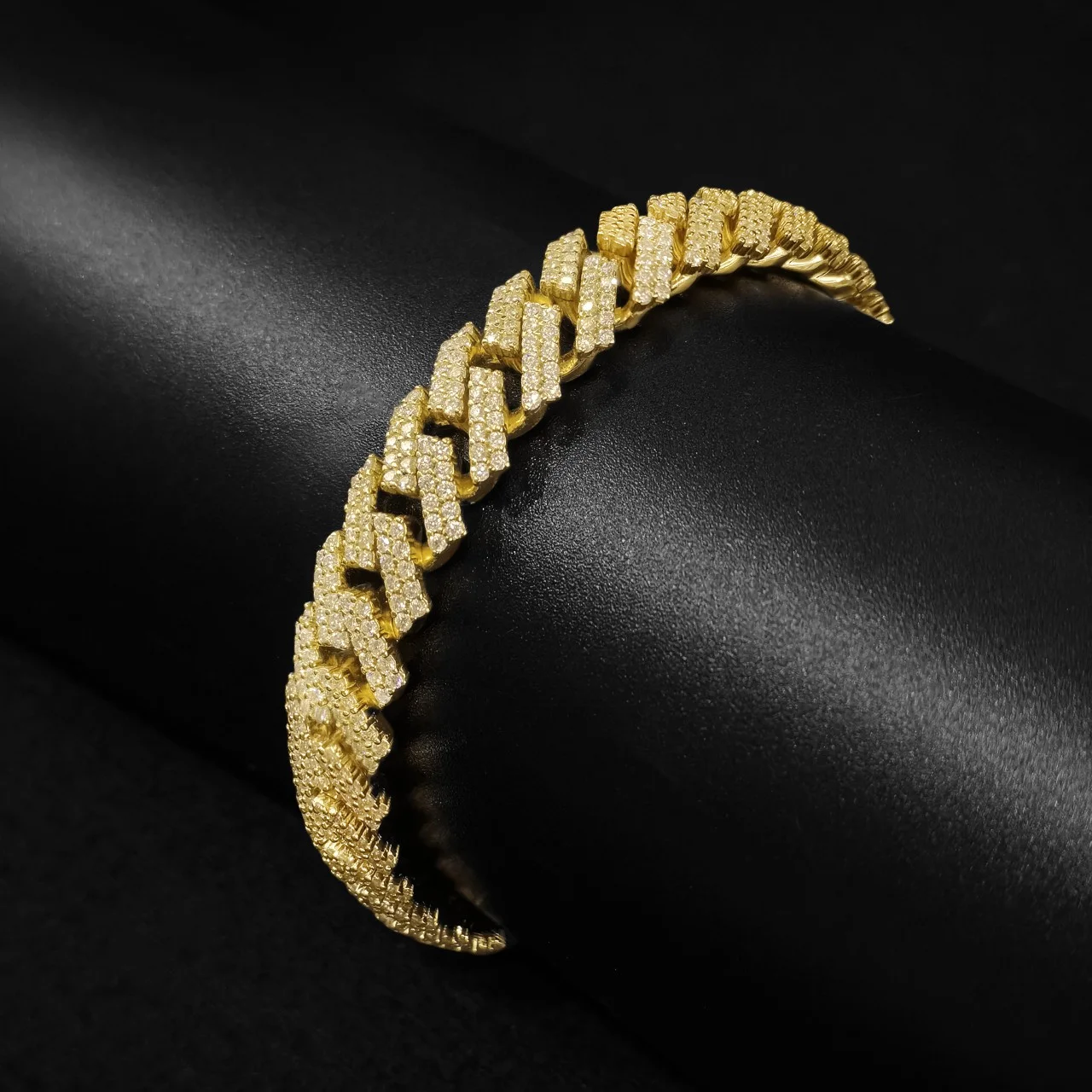
What Does 14K Gold Plated Jewelry Actually Mean?
The term 14K refers to the gold content of the plating material. Pure gold is classified as 24K, while 14K gold contains approximately 58.3% gold by mass, with the remaining composition consisting of other metals that influence hardness, color, and mechanical properties.
In 14K gold plated jewelry, a relatively thin layer of 14K gold alloy is deposited onto a base material. Common base metals include brass, copper, and stainless steel, depending on the intended product positioning and manufacturing requirements.
This construction differs from solid gold jewelry, where the primary material throughout the product is a gold alloy. It also differs from gold-filled jewelry, which uses a mechanically bonded gold layer with a substantially greater gold content by weight relative to the total product.
The distinction matters because gold plating is a surface treatment rather than a bulk material specification. A product labeled 14K gold plated does not mean the entire jewelry piece contains 58.3% gold. Instead, the 14K designation describes the composition of the deposited gold alloy.
For accurate product descriptions and international sales, brands should ensure that gold content, plating construction, and base metal information are represented clearly.
Why Plating Thickness Matters for Durability
Plating thickness is one of the most important technical factors affecting the durability of 14K gold plated jewelry. It is commonly measured in microns (μm), where one micron equals one-thousandth of a millimeter.
Different applications may require different plating specifications. Lightweight fashion earrings that experience limited friction may have different requirements from rings, bracelets, and necklaces that encounter frequent skin contact and mechanical wear.
For example, rings are particularly exposed to abrasion because their surfaces repeatedly contact other objects during daily activities. Bracelets may experience friction against desks, clothing, and accessories. Necklaces generally have less direct surface abrasion, although clasps and chain links can experience localized wear.
A thicker gold layer can generally provide a larger material reserve before the base metal becomes exposed. However, plating thickness alone does not guarantee long-term durability. Adhesion quality, surface preparation, base metal condition, and final finishing also influence performance.
Manufacturers should establish plating thickness according to the product category and intended usage. Thickness should be measured using appropriate analytical methods, such as X-ray fluorescence (XRF), rather than estimated from appearance or color.
Base Metal Selection: Brass, Copper, or Stainless Steel?
The base metal forms the structural foundation of 14K gold plated jewelry. Its mechanical properties, surface condition, and chemical composition directly affect plating quality and product performance.
Brass
Brass is widely used in fashion jewelry manufacturing because of its workability, machinability, and suitability for detailed designs. It supports casting, stamping, polishing, and various surface finishing processes. Brass is particularly practical for earrings, pendants, rings, and decorative components.
However, brass contains copper and zinc, so an appropriate barrier layer may be required to reduce unwanted metal migration and improve the stability of the final coating system.
Copper
Copper offers excellent workability and is commonly used for jewelry components with intricate shapes. It can provide a smooth foundation for plating when surface preparation is properly controlled. However, copper is relatively reactive, making barrier coatings and appropriate finishing particularly important.
Stainless Steel
Stainless steel provides good mechanical strength and corrosion resistance, making it suitable for jewelry designed for more demanding everyday use. However, its surface requires specialized activation and plating processes because its passive oxide layer can interfere with coating adhesion.
The choice of base metal should consider product geometry, manufacturing method, target price, mechanical requirements, and the intended plating system.
The 14K Gold Plating Manufacturing Process
Reliable 14K gold plated jewelry production involves several controlled stages. The quality of the final coating depends on how consistently each stage is executed.
Surface preparation begins with removing oil, polishing compounds, oxides, and other contaminants. Inadequate cleaning can result in poor adhesion, uneven color, or localized plating defects.
After cleaning, the jewelry component may undergo electrochemical activation and the application of suitable intermediate layers. Depending on the base metal and plating system, barrier layers such as nickel-free palladium or other compatible materials may be used to improve adhesion and reduce metal migration.
The 14K gold alloy is then deposited through a controlled electroplating process. Current density, bath composition, temperature, processing time, and component positioning all influence coating uniformity. Complex jewelry designs require particular attention because recessed areas and sharp edges may experience different deposition rates.
After plating, components undergo rinsing, drying, and appropriate finishing. Some products may also receive a transparent protective coating to improve resistance to environmental exposure and everyday handling.
For manufacturers, process control is more important than simply increasing plating time. Uncontrolled deposition may create uneven thickness, color differences, or defects around detailed design features.
How to Test 14K Gold Plated Jewelry Quality
A professional quality inspection process should evaluate both the coating and the finished jewelry component.
Plating thickness testing using XRF can help verify whether the deposited layer meets the agreed specification. Adhesion testing evaluates whether the coating remains bonded to the base material under specified conditions.
Abrasion and wear testing are particularly important for rings and bracelets. These tests help assess how the gold surface responds to repeated mechanical contact. Artificial perspiration and corrosion testing can provide additional information about coating stability under simulated wearing conditions.
Color consistency should also be evaluated across different production batches. Even when the nominal plating composition remains unchanged, variations in bath chemistry and process conditions can create visible differences in gold tone.
For products intended for sensitive-skin markets, base metal composition and applicable regulatory requirements must also be considered. For example, European REACH restrictions on nickel release are relevant to certain jewelry components intended for prolonged skin contact. Compliance should be supported by appropriate testing rather than assumed from a nickel-free marketing description.
How to Select the Right 14K Gold Plated Jewelry Manufacturer
Choosing a manufacturing partner requires evaluating more than design capabilities and unit pricing. Brands should understand how the manufacturer controls base metal quality, plating composition, coating thickness, color consistency, and finished-product inspection.
A reliable supplier should be able to provide clear specifications for base materials, plating thickness, intermediate coating systems, and quality testing. Sample approval should also establish the reference gold tone and acceptable appearance tolerances before bulk production begins.
Guangzhou Aishi Jewelry Co., Ltd. is a jewelry manufacturer integrating research and development, production, and sales. With over 15 years of industry experience, Aishi specializes in gold, silver, and copper jewelry, offering wholesale and customized jewelry solutions.
Its experience across different jewelry materials and product categories provides a foundation for developing products according to different design, material, and market requirements. For brands seeking 14K gold plated jewelry, maintaining coordination between material selection, surface finishing, and production quality is essential to achieving consistent results.
Conclusion
The quality of 14K gold plated jewelry is determined by the complete manufacturing system, not simply the karat rating of the gold layer. Plating thickness, base metal composition, surface preparation, intermediate coatings, and electroplating parameters all contribute to the final product's durability and appearance.
For commercial jewelry collections, manufacturers should establish measurable plating specifications and verify them through appropriate thickness, adhesion, wear, and corrosion testing. Working with an experienced jewelry manufacturer helps brands translate design requirements into repeatable production standards while maintaining the balance between appearance, durability, and manufacturing cost.
http://www.jewelryaishi.com
Guangzhou Aishi Jewelry Co., Ltd. -
AuthorPosts

- You must be logged in to reply to this topic.


