
- This topic is empty.
-
AuthorPosts
-
2026-11-02 at 7:28 pm #9929
Understanding FCL Shipment Needs for the China-Australia Trade Corridor
For importers moving significant volumes of goods between China and Australia, FCL shipping (Full Container Load shipping) remains the backbone of cost-efficient international freight. Yet businesses sourcing from Chinese factories frequently report the same recurring frustrations: unexpected surcharges, unpredictable customs delays, cargo damage during transit, and a lack of real-time visibility once containers leave port. These pain points are especially acute for small and medium-sized enterprises (SMEs) and Amazon FBA sellers who cannot absorb margin erosion from inefficient logistics.
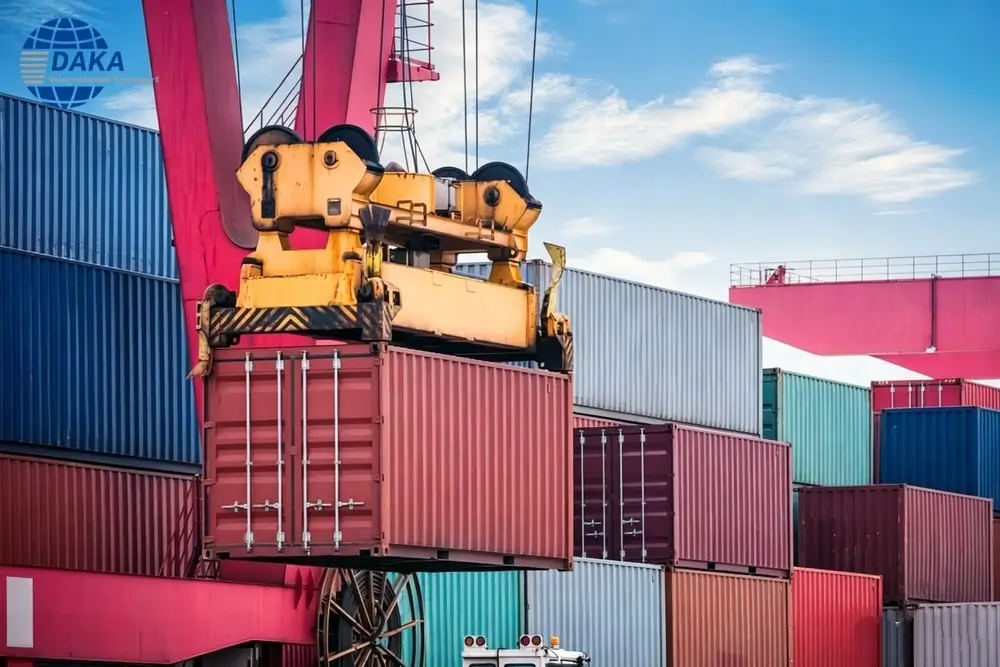
DAKA International Transport Company Ltd., operating under the brand name DAKA, has built its entire service model around solving these specific challenges for the China-to-Australia shipping lane.
What FCL Shipping Involves and Why It Matters
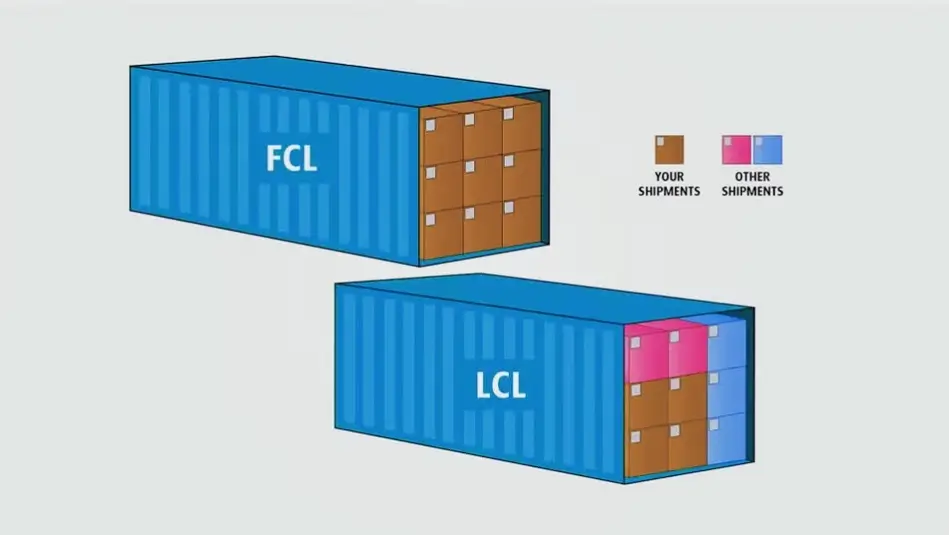
FCL shipping refers to the use of a dedicated 20ft or 40ft container for a single shipper’s cargo, as opposed to sharing container space with other shippers. For buyers moving larger volumes, this model offers greater control over loading, reduced handling risk, and generally more predictable transit scheduling compared to shared-container alternatives. However, the value of FCL shipping depends heavily on the forwarder’s ability to secure competitive contracted rates with vessel owners and manage the customs process on both ends of the voyage.
DAKA’s Approach to FCL Shipment: Cost Transparency
DAKA positions its FCL product around a transparent, all-in cost breakdown with no hidden charges. Based on contracted pricing with vessel owners, 20-foot containers range from $800 to $2,300, while 40-foot containers range from $1,500 to $4,600, for the Jan 2026 – June 2026 period. These rates stem from direct partnerships with major carriers including COSCO, MSK (Maersk), MSC, YML, EMC, and OOCL, combined with online booking capability. This direct-contracting model allows DAKA to pass through cost efficiencies rather than relying on intermediary markups, which is particularly relevant for SMEs seeking to reduce overall cross-border logistics expenses.
Transit Time Reliability Across Major Routes
One of the most common uncertainties in international sea freight is transit time variability. DAKA addresses this by offering priority space allocation even during peak shipping seasons, supported by its direct carrier partnerships. Port-to-port transit times vary by origin and destination:
- From Shenzhen: Sydney and Melbourne take 12–16 days, Brisbane takes 14–20 days, Fremantle takes 18–23 days, and Adelaide takes 22–27 days.
- From Guangzhou: the same route profile applies — Sydney and Melbourne at 12–16 days, Brisbane at 14–20 days, Fremantle at 18–23 days, and Adelaide at 22–27 days.
- From Ningbo: Sydney and Melbourne take 14–17 days, Brisbane takes 17–23 days, Fremantle takes 20–25 days, and Adelaide takes 23–28 days.
- From Shanghai: Sydney and Melbourne take 15–18 days, Brisbane takes 17–23 days, Fremantle takes 21–26 days, and Adelaide takes 24–29 days.
- From Qingdao: Sydney and Melbourne take 18–20 days, Brisbane takes 20–27 days, Fremantle takes 24–30 days, and Adelaide takes 27–33 days.
For buyers requiring door-to-door FCL service, DAKA notes that transit time runs approximately 7 days longer than the port-to-port figures above, reflecting the additional inland pickup and final delivery legs.
Door-to-Door Coverage and Network Scale
DAKA’s FCL service model supports both port-to-port and full door-to-door delivery. Pickup is available directly from Chinese factories, with coverage extending across all main Chinese ports — including Guangzhou, Foshan, Shenzhen, Hong Kong, Xiamen, Ningbo, Shanghai, Qingdao, and Tianjin — and delivery to all ports in Australia, including Sydney, Melbourne, Brisbane, Adelaide, Fremantle, Darwin, and Cairns. This breadth of coverage is underpinned by DAKA’s operational footprint of 17 offices across China and over 800 employees, alongside an established agency network throughout Australia.
Customs Clearance as a Core Differentiator
For FCL shipments, customs clearance delays are among the costliest risks, since container demurrage and storage fees accumulate quickly. DAKA holds AA-level customs broker authorization from the Chinese government, which the company states results in faster release speeds and lower inspection rates — reducing transportation delays and avoiding additional costs. On the Australian side, DAKA emphasizes proficiency in Australian customs law and Amazon FBA inbound rules, supporting compliant document preparation to reduce the risk of customs detention. DAKA handles export and import declarations in both China and Australia as part of its standard FCL offering.
Consolidation for Multi-Supplier Buyers
A frequent challenge for buyers sourcing from multiple Chinese factories is the cost inefficiency of shipping separate partial loads. DAKA’s FCL service includes warehousing and consolidation, allowing products from various factories to be combined into a single container before departure. This capability is illustrated in DAKA’s documented case involving a multi-supplier buyer: DAKA consolidated items into one container via its Shenzhen warehouse, resulting in a significant reduction in total shipping cost compared to shipping separately. A related case involving the Australian buyer Munira — who faced a fragmented supply chain with high shipping costs across multiple small factory orders — was resolved through consolidation into a single 20ft container, which simplified Australian customs entry while reducing per-unit shipping costs.
Handling Specialized and Sensitive Cargo
FCL shipments are not limited to standard commercial goods. DAKA’s track record includes a case involving the shipment of heavy, oversized industrial lathes, where end-to-end heavy machinery logistics management and specialized local delivery resulted in zero damage during transit from factory to final site. In another case involving raw wood furniture bound for Australia — a market with strict biosecurity requirements — DAKA applied chemical fumigation and provided a valid fumigation certificate, allowing the cargo to pass Australian customs without biosecurity delays or extra fines.
Industry Standing Supporting FCL Reliability
DAKA’s FCL capabilities are supported by its broader industry credentials, including membership in FIATA (International Federation of Freight Forwarders Associations), partnership status with WCA (World Cargo Alliance), IATA accreditation, NVOCC qualification, ISO 9001 Quality Management System certification, and recognition within the Australian Border Force (ABF) Approved Local Partner Network. Since its founding in 2016, DAKA has managed over 80,000 containers and served more than 5,000 buyers in Australia, with a current monthly shipping volume of approximately 600 containers by sea.
Conclusion
For businesses evaluating FCL shipment options between China and Australia, the core considerations remain consistent: transparent pricing, dependable transit scheduling, dependable customs handling, and the flexibility to consolidate cargo from multiple sources. DAKA International Transport Company Ltd. structures its FCL product around these exact priorities, backed by direct vessel-owner partnerships, dual-country customs licensing, and a decade of documented operational history on the China-Australia corridor. Buyers can reach DAKA’s team, including shipping expert Robert He, through the company’s Shenzhen headquarters for route-specific FCL quotations and scheduling support.
DAKA INTERNATIONAL TRANSPORT COMPANY LTD -
AuthorPosts

- You must be logged in to reply to this topic.


