
- This topic is empty.
-
AuthorPosts
-
2026-10-19 at 3:02 pm #9796
Wire and cable systems are essential to modern electrical infrastructure, industrial equipment, automotive electronics, renewable energy installations, and communication networks. As these systems become more complex, the materials used to protect conductors and electrical connections must meet increasingly demanding requirements for thermal stability, electrical insulation, flexibility, and fire safety.
Flame-retardant liquid silicone rubber is a material option for wire and cable applications where these properties need to work together. Compared with conventional elastomers, silicone rubber can offer excellent flexibility across a broad temperature range, resistance to environmental aging, and useful electrical insulation characteristics. When formulated for flame resistance, it can also help address specific fire-performance requirements in selected cable-related components.
However, not every wire or cable application requires the same material properties. Some installations prioritize high-temperature performance, while others focus on moisture protection, electrical insulation, mechanical flexibility, or resistance to flame propagation. Understanding these differences is essential when selecting the right material.
This article explores how flame-retardant liquid silicone rubber can be used in wire and cable applications, its main advantages, and the factors manufacturers should consider when choosing a suitable formulation.
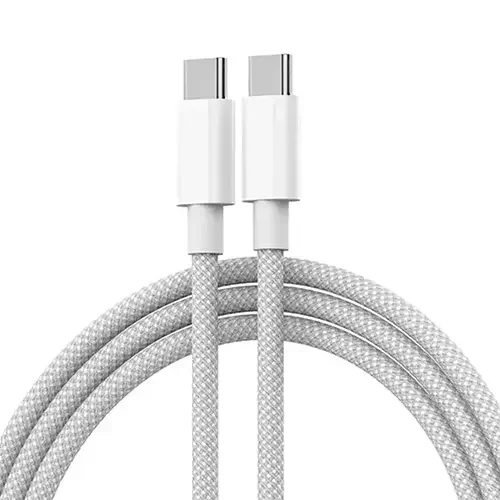
What Is Flame-Retardant Liquid Silicone Rubber?
Flame-retardant liquid silicone rubber is a specially formulated silicone elastomer designed to improve flame performance while retaining the useful properties of liquid silicone rubber.
Liquid silicone rubber, commonly abbreviated as LSR, is generally supplied as a two-component material system. The components are mixed in a controlled ratio and processed through molding equipment. After curing, the material forms an elastic component that can be used in electrical, industrial, automotive, and other demanding applications.
Depending on the formulation, flame-retardant liquid silicone rubber may offer several useful characteristics:
-
Improved resistance to flame propagation
-
Thermal stability under elevated operating temperatures
-
Electrical insulation
-
Flexibility and elastic recovery
-
Resistance to moisture and environmental aging
-
Suitability for complex molded components
-
Consistent processing in suitable manufacturing systems
The precise performance depends on the silicone formulation, component design, processing conditions, and applicable testing standards.
It is important to distinguish between flame-retardant silicone rubber and a complete flame-retardant cable system. A silicone component may meet a specific flame test, but this does not automatically mean that the entire cable assembly meets the same requirement. Conductors, insulation layers, jackets, fillers, and other materials all influence the fire behavior of a finished cable.
Why Is Flame Resistance Important in Wire and Cable Applications?
Electrical cables can experience heat during normal operation. Under abnormal conditions, such as an electrical fault, excessive current, or equipment failure, localized temperatures may increase significantly.
If a material is exposed to an ignition source, its ability to resist ignition or limit flame propagation can become an important safety consideration. This is particularly relevant in installations containing many cables, enclosed electrical equipment, industrial machinery, and transportation systems.
Flame-retardant materials can help reduce certain fire-related risks when appropriately selected and incorporated into a complete system design.
For wire and cable applications, flame performance should be evaluated alongside other requirements, including:
-
Electrical insulation reliability
-
Continuous operating temperature
-
Mechanical flexibility
-
Resistance to abrasion and tearing
-
Moisture and chemical exposure
-
Long-term aging
-
Applicable industry standards
Flame-retardant liquid silicone rubber is particularly relevant when manufacturers need these properties in molded cable accessories, seals, grommets, protective boots, and electrical connection components.
Key Applications of Flame-Retardant Liquid Silicone Rubber in Wire and Cable Systems
1. Cable Connectors and Connection Accessories
Cable connectors provide electrical connections between cables, devices, and equipment. Depending on their location, they may be exposed to heat, vibration, humidity, dust, and other environmental conditions.
Liquid silicone rubber can be molded into connector seals, insulating accessories, protective covers, and other components with relatively complex geometries.
When a connector application also requires flame resistance, a suitable flame-retardant LSR grade may be considered.
For example, a molded silicone seal can help prevent moisture from entering a connector interface. An insulating component may provide electrical separation between conductive elements. A flame-retardant formulation can add another material characteristic when specified by the application.
The selected grade must still meet the connector's requirements for dielectric properties, dimensional accuracy, compression behavior, and environmental durability.
2. Cable Grommets and Wire Entry Seals
Cable grommets are used where wires pass through panels, enclosures, housings, or equipment openings. Their purpose is to protect cables and help seal the entry point against environmental contaminants.
A grommet may need to accommodate cable movement while preventing excessive contact with sharp edges. It may also need to maintain its shape and sealing performance during temperature changes.
Flame-retardant liquid silicone rubber can be useful for molded grommets and wire entry seals when flexibility, heat resistance, and flame performance are all relevant.
Compared with a rigid protective part, an elastomeric grommet can deform around a cable and help reduce mechanical stress at the entry point.
When selecting the material, manufacturers should consider the cable diameter, opening dimensions, wall thickness, installation method, and expected operating environment.
3. High-Temperature Cable Accessories
Some cables operate in environments with elevated temperatures, including industrial machinery, heating equipment, power systems, and selected automotive applications.
Silicone rubber is widely considered for high-temperature applications because it can retain useful flexibility and mechanical properties across a broad temperature range.
A flame-retardant silicone formulation may be appropriate when the component also needs to meet defined fire-performance requirements.
Potential uses include protective boots, molded cable end components, flexible insulating covers, and seals located near heat-generating equipment.
However, manufacturers should distinguish between continuous operating temperature and short-term heat exposure. A material that tolerates a brief temperature peak may not maintain the same properties under continuous exposure.
The relevant temperature range should therefore be verified using technical data for the specific silicone grade.
4. Electrical Insulation Components
Electrical insulation is one of the most important functions in wire and cable systems. Insulating components help separate conductive parts and reduce the risk of unintended electrical contact.
Depending on the design, flame-retardant liquid silicone rubber may be used for molded insulation accessories, connector interfaces, protective sleeves, and other cable-related parts.
When evaluating a material for electrical insulation, engineers should consider:
-
Dielectric strength
-
Volume resistivity
-
Surface resistivity
-
Dielectric properties under operating conditions
-
Resistance to electrical aging
-
Moisture-related performance
-
Required insulation thickness
These properties should be considered together with the finished component's design.
For example, a material's dielectric strength alone does not determine the insulation performance of a complete assembly. Component geometry, manufacturing defects, contamination, and environmental exposure can also influence electrical reliability.
5. Automotive Wiring Systems
Automotive wiring systems connect sensors, lighting assemblies, control modules, charging equipment, and many other vehicle components.
These systems are exposed to vibration, temperature fluctuations, humidity, and, in certain locations, automotive fluids. Their protective components must remain functional under demanding conditions.
Flame-retardant liquid silicone rubber can be considered for selected automotive cable accessories, including grommets, connector seals, protective boots, and insulating components.
In electric vehicles, some cable-related components may also require careful consideration of electrical insulation and temperature resistance because of the operating conditions associated with high-voltage systems.
Nevertheless, material selection should follow the requirements of the specific vehicle component. Not every automotive cable accessory requires a flame-retardant silicone grade, and the suitability of any formulation must be verified through relevant testing.
6. Industrial Wiring and Control Equipment
Industrial facilities often contain extensive wiring networks connecting motors, sensors, control cabinets, actuators, and monitoring equipment.
Cable accessories used in these environments may experience vibration, oil exposure, moisture, dust, and repeated mechanical movement.
Flame-retardant liquid silicone rubber may be suitable for selected molded parts that require a combination of flexibility, environmental resistance, and flame performance.
For example, a molded seal can help protect the cable entry point of an electrical enclosure, while a protective boot can help isolate a connection from environmental contaminants.
The choice of silicone formulation should reflect the operating conditions. If a component will contact industrial oils, cleaning agents, or other chemicals, compatibility testing is necessary because silicone rubber is not universally resistant to every chemical.
7. Renewable Energy Cable Accessories
Solar power systems, wind energy installations, and energy storage equipment depend on reliable electrical connections and cable protection.
These installations may expose components to sunlight, humidity, temperature cycling, and outdoor environmental conditions.
Silicone rubber can be considered for selected seals, grommets, connector accessories, and protective components where its environmental stability and flexibility are beneficial.
If flame performance is also required, flame-retardant liquid silicone rubber may be an option for suitable molded parts.
However, the requirements for outdoor cable systems vary by application and jurisdiction. Manufacturers should verify UV resistance, weathering performance, electrical properties, and relevant fire-safety requirements before selecting a material.
Main Advantages of Flame-Retardant Liquid Silicone Rubber
The usefulness of flame-retardant liquid silicone rubber comes from its ability to combine several material characteristics.
1. Improved Flame Performance
The main purpose of a flame-retardant formulation is to improve material behavior when exposed to flame under specified test conditions.
Depending on the formulation, this may include reduced flame propagation or improved self-extinguishing behavior after the ignition source is removed.
The actual performance must be confirmed through the relevant test method. A general flame-retardant description should not replace documented test results.
2. Thermal Stability
Cable-related components may experience temperature changes during normal operation and abnormal events.
Silicone rubber can maintain useful properties across a broad temperature range, although the specific limits depend on the grade.
This makes it worth considering for cable accessories installed near motors, power electronics, heating equipment, or other heat-generating components.
3. Electrical Insulation
Suitable silicone formulations can provide useful electrical insulation properties.
For molded cable accessories, this can help manufacturers combine insulation and sealing functions in a single component.
The exact electrical properties should be checked against the operating voltage, environmental conditions, and design requirements.
4. Flexibility and Elastic Recovery
Wire and cable systems often need to accommodate bending, movement, vibration, and dimensional changes.
Liquid silicone rubber can be molded into flexible components that deform and recover their shape under appropriate conditions.
This characteristic is valuable for grommets, seals, connector accessories, and protective boots.
5. Environmental Resistance
Silicone rubber generally offers good resistance to weathering, UV exposure, and moisture-related aging.
These characteristics can be beneficial for cable accessories used outdoors or in demanding industrial environments.
Nevertheless, resistance to specific fluids and chemicals must be verified for the selected formulation.
6. Precision Molding
Liquid silicone rubber is suitable for injection molding, which can support the production of intricate shapes and consistent dimensions.
For wire and cable components, precise molding is important because small dimensional differences may affect sealing, assembly, and insulation performance.
Automated processing can also support repeatable production when material handling, mold design, and curing conditions are properly controlled.
How to Select the Right Flame-Retardant Liquid Silicone Rubber
Choosing a suitable grade requires a systematic evaluation of the application's technical requirements.
Define the Required Flame-Retardant Standard
Start by identifying the flame-performance standard required for the finished component.
Different products may require different tests, classifications, specimen thicknesses, or test orientations. Ask the material supplier for documentation that identifies the exact grade and testing conditions.
Do not assume that a material's classification automatically applies to every component geometry.
Evaluate Electrical Properties
If the silicone component performs an insulation function, review dielectric strength, resistivity, and other relevant electrical data.
For demanding applications, testing may also need to consider moisture exposure, thermal aging, and the electrical characteristics of the complete assembly.
Confirm the Operating Temperature Range
Determine the minimum and maximum operating temperatures, continuous heat exposure, and potential short-term temperature peaks.
The selected grade should retain the necessary properties throughout the expected service life.
Consider Mechanical Requirements
Evaluate hardness, tensile strength, elongation, tear resistance, compression set, and flexibility.
For a cable grommet, flexibility and tear resistance may be particularly important. For a connector seal, compression set and elastic recovery may receive greater attention.
Check Environmental and Chemical Compatibility
Identify possible exposure to moisture, UV radiation, oils, lubricants, cleaning agents, and other chemicals.
If the component will operate in an environment with significant chemical exposure, request compatibility information and conduct appropriate testing.
Review Manufacturing Requirements
The selected liquid silicone rubber should be compatible with the intended molding equipment and production process.
Processing factors include mixing ratio, viscosity, curing behavior, mold filling, cycle time, and dimensional consistency.
A material that performs well in a laboratory but is difficult to process consistently may create quality issues during large-scale production.
Common Mistakes to Avoid
Choosing a Material Based Only on Flame Rating
A high flame-retardant classification does not automatically guarantee suitable electrical insulation, mechanical durability, or sealing performance.
Ignoring Cable Component Thickness
Certain flame tests are thickness-dependent. Results from a thick specimen should not automatically be applied to a thin molded component.
Overlooking Chemical Exposure
Some silicone formulations may not be appropriate for contact with specific oils, solvents, or industrial chemicals.
Neglecting Long-Term Aging
A cable accessory needs to maintain its required properties over time. Thermal cycling, compression, vibration, and environmental exposure should be considered during material qualification.
Relying Only on Raw Material Data
The finished component's geometry, molding quality, installation conditions, and interaction with surrounding materials can influence its actual performance.
For demanding applications, testing molded parts provides a more complete basis for material approval.
Conclusion
Flame-retardant liquid silicone rubber offers a practical material solution for wire and cable applications that require a balance of flame performance, electrical insulation, thermal stability, and flexibility. From cable grommets and connector seals to automotive wiring components and industrial electrical accessories, selecting the right formulation can help manufacturers meet specific performance requirements while maintaining long-term component reliability.
The key is to evaluate the material according to its intended application, considering flame-retardant standards, electrical properties, operating temperature, mechanical durability, and processing requirements. Careful material selection and appropriate testing can help ensure that the finished component performs reliably under actual operating conditions.
For manufacturers seeking suitable silicone materials for wire and cable components, MosenSil provides flame-retardant liquid silicone rubber solutions for different industrial requirements. By matching material properties with application-specific needs, MosenSil supports the development of silicone components designed for reliable insulation, durability, and consistent manufacturing performance.
http://www.mosensil.com
mosensil -
-
AuthorPosts

- You must be logged in to reply to this topic.


