
- This topic is empty.
-
AuthorPosts
-
2026-11-27 at 4:53 pm #10253
Digital Printed Bath Robes offer hotels, spas, resorts, and lifestyle brands a practical way to combine functional textile products with distinctive visual identity. A bathrobe can carry a brand logo, decorative pattern, seasonal artwork, or custom graphic while serving a clear purpose in guest rooms, wellness facilities, retail collections, and promotional campaigns. Digital printing is particularly useful when designs involve multiple colors, gradients, detailed illustrations, or artwork that changes between collections.
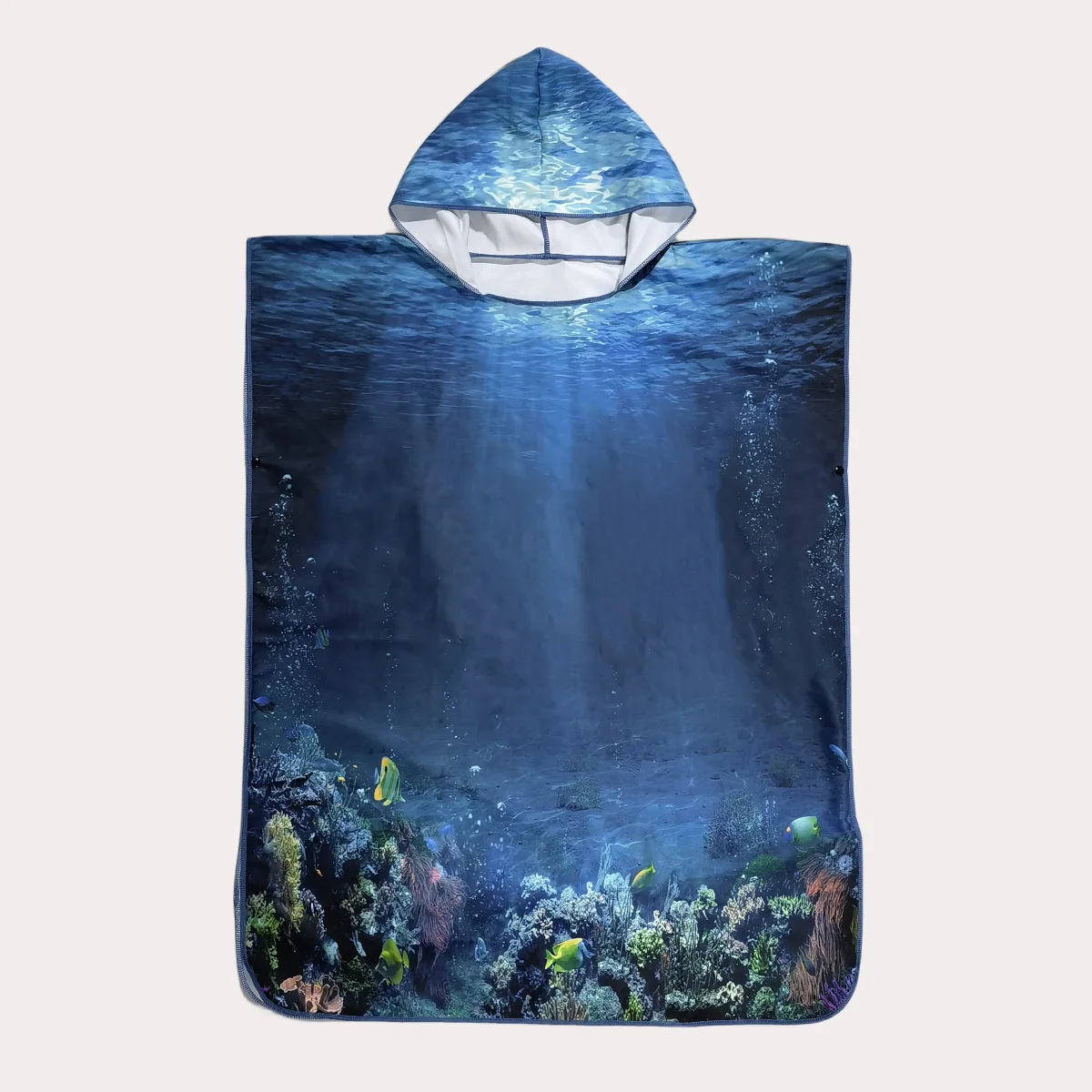
However, commercial bathrobe programs have requirements beyond visual customization. Products must maintain a consistent appearance across sizes and production batches, withstand repeated laundering, provide an appropriate level of comfort, and meet packaging and delivery requirements. The most effective product development process considers these factors before selecting the fabric or approving the artwork.
Matching Bathrobe Specifications to the Application
The intended use should guide the product specification. A hotel bathrobe used after showering has different performance priorities from a lightweight robe designed for spa relaxation or retail gifting.
For hotels and resorts, absorbency, durability, ease of laundering, and size consistency are usually important. Cotton terry bathrobes are a common option because their looped construction supports moisture absorption and provides a familiar bathrobe feel. For premium guest experiences, cotton velour can offer a smoother outer surface and a more luxurious appearance, depending on the construction.
Spa and wellness environments may place greater emphasis on softness, drape, and comfort during extended wear. A lighter fabric can be appropriate where the robe is worn between treatments or in warm indoor environments. For travel-related retail or promotional programs, compact packing and manageable garment weight may be more important than maximum absorbency.
These differences should be reflected in measurable specifications. A product brief should identify fiber composition, fabric construction, GSM, garment dimensions, color, print coverage, and intended washing conditions. Without these details, suppliers may interpret terms such as "premium," "soft," or "hotel quality" differently, resulting in samples that do not match the intended product.
Digital Printing for Brand Identity and Custom Artwork
One of the main advantages of digital textile printing is its ability to reproduce complex designs without the same screen preparation requirements associated with traditional screen printing. This is useful for brands that need photographic artwork, multi-color patterns, gradients, or frequent design updates.
For hotel and spa applications, branding can be relatively subtle. A small logo on the chest, a repeating motif along the collar, or a coordinated pattern across the garment may create a consistent visual identity without overwhelming the product. Retail brands may prefer full-panel graphics or all-over patterns that make the bathrobe a more distinctive part of a collection.
The artwork should be prepared with garment construction in mind. Important visual elements should not fall across seams, disappear under the collar, or become distorted by pocket placement. For a back-panel design, the artwork needs to be centered according to the finished garment measurements rather than simply positioned at the center of the uncut fabric.
The production route also matters. Printing fabric before cutting and sewing can support all-over designs and more efficient panel production, but it requires careful control of pattern alignment and fabric shrinkage. Printing finished garment panels can offer more precise placement for selected graphics, although it may involve additional handling and process constraints. The most suitable method depends on the artwork, fabric, order quantity, and garment construction.
Fabric and Printing Compatibility
Not every digital printing process is suitable for every bathrobe fabric. The fiber composition determines which ink system and fixation process can be used.
Reactive printing is commonly applied to cotton and other suitable cellulosic fabrics. When pretreatment, steaming, washing, and finishing are properly controlled, it can provide strong color development and good wash fastness. Pigment printing can be used on a broader range of textile materials, with the pigment and binder forming the printed layer on the fabric surface. The final hand feel depends on the binder formulation, print coverage, and curing conditions.
Sublimation printing is generally used for polyester fabrics. Heat transfers the dye into the polyester fibers, making it suitable for vivid designs on compatible materials. It is not a direct substitute for reactive printing on conventional cotton terry fabric.
This is particularly important when a brand provides artwork before confirming the textile specification. If the desired product is a cotton terry bathrobe, the printing process should be selected for cotton compatibility. If the design requires sublimation, a suitable polyester-based fabric construction may be necessary, with the trade-off in absorbency and hand feel clearly understood.
An approved print sample should be produced on the actual fabric, not on a visually similar substitute. This allows the final color, surface feel, pattern definition, and print coverage to be evaluated under realistic conditions.
Controlling Color Across Different Production Batches
Color consistency is a major concern when bathrobes are ordered for multiple hotels, retail locations, or seasonal collections. A small variation may be noticeable when products are displayed together, particularly for corporate colors, coordinated sets, or large repeating graphics.
A reliable color approval process should establish a physical reference sample before bulk production. Digital color values and Pantone references can support communication, but they do not replace evaluation on the actual textile. Fabric whiteness, surface texture, pretreatment, ink absorption, and finishing can all influence the final appearance.
For repeat orders, retaining approved samples and recording relevant printing parameters can help reduce variation. The supplier should also clarify how color differences are assessed and what tolerance is acceptable. Where a project includes several fabric colors or garment styles, each combination may require separate sample approval.
Pattern repeat and placement need similar control. A design that appears balanced on one size may shift on a larger or smaller garment if cutting layouts are not adjusted. The artwork and cutting plan should therefore be reviewed together, particularly for all-over prints and large graphics.
Durability in Commercial Laundry Environments
Commercial bathrobes may be washed much more frequently than household garments. Hotels and spas often use established laundry procedures involving repeated washing, mechanical handling, and drying. A printed bathrobe must retain acceptable color, shape, and construction under the care conditions expected by the customer.
Colorfastness to washing and rubbing should be evaluated using appropriate textile test methods. Dimensional stability is equally important because excessive shrinkage can affect garment fit and the alignment of printed patterns. Pilling, seam strength, and fabric surface changes may also influence the product's appearance after repeated use.
The testing program should reflect the intended application. A robe designed for a hotel laundry operation may need more demanding wash-cycle evaluation than a promotional gift intended for occasional personal use. Care labels should state washing and drying instructions that are compatible with the fabric and printing process. This reduces the risk of avoidable damage caused by unsuitable laundering.
Garment Construction, Sizing, and Packaging
Even when printing is the main customization feature, garment construction remains central to product quality. Collar shape, sleeve length, side seams, pocket reinforcement, belt loops, and belt dimensions should be defined in the technical specification.
For hospitality programs, size ranges and grading consistency are important because different guests need comfortable coverage and freedom of movement. A robe that is too narrow across the shoulders or too short in the body may not meet the expected standard, regardless of print quality. Size charts should use clear measurement points and specify whether measurements are taken before or after washing.
Packaging should also be considered early. Individual polybags, branded packaging, size labels, care labels, and carton markings can all affect production planning. For export orders, the packing method should protect the printed surface from abrasion, moisture, and staining during storage and transportation. Carton dimensions and garment folding methods can influence freight efficiency, especially for large-volume orders.
Working with a Textile Manufacturer for Custom Bathrobe Programs
A capable manufacturing partner should coordinate fabric selection, printing, cutting, sewing, quality inspection, and packing rather than treating each stage as an isolated task. Clear sample approval and production documentation help maintain consistency when orders involve multiple designs, colors, and sizes.
Nantong Anrou Home Textile Co., Ltd. is a home textile manufacturer and exporter producing blankets, various types of towels, shirts, bags, and other sewn textile products. The company operates with a quality management system and also provides customized logo printing for products used in promotional activities and other brand-related programs. Its broader textile and sewing product experience can support discussions around customized bathrobe development, subject to confirmation of the specific fabric, printing, and garment production requirements.
When evaluating a supplier for a Digital Printed Bath Robes project, it is useful to confirm sample development procedures, available fabric constructions, compatible printing methods, color approval standards, garment measurement controls, inspection arrangements, and order lead times. These details provide a more meaningful basis for evaluating production readiness than a unit-price quotation alone.
Conclusion
Commercial Digital Printed Bath Robes must combine attractive customization with reliable textile performance. The right fabric should match the intended use, while the printing technology must be compatible with the fiber composition. Color control, pattern placement, wash durability, garment construction, and export packaging then determine whether the finished product can meet the expectations of hotels, spas, retail brands, and promotional programs.
A clearly defined product specification and an approved physical sample are essential before bulk manufacturing begins. By addressing these requirements together, brands can develop printed bathrobes that deliver consistent appearance, practical comfort, and dependable quality across commercial orders.
http://www.aloehometextile.com
Nantong Anrou Home Textile Co., Ltd. -
AuthorPosts

- You must be logged in to reply to this topic.


